Unraveling Earth's Ring Current: A New Space Weather Mission
Our planet is surrounded by a donut-shaped current of charged particles called the ring current. This dynamic system plays a key role in space weather, yet its origins and behavior remain puzzling. To solve this mystery, NASA and the US Space Force are launching a dedicated mission later this month. Below, we answer key questions about the ring current and this groundbreaking mission.
What exactly is Earth's ring current?
Earth's ring current is a torus-shaped flow of electrically charged particles—primarily protons and electrons—trapped in the planet's magnetosphere. It circles the equator at altitudes of about 3 to 6 Earth radii (roughly 20,000 to 38,000 kilometers). This current is driven by the interaction of the solar wind with the Earth's magnetic field and can intensify during geomagnetic storms. Its strength influences the behavior of the radiation belts and can cause disturbances in the ionosphere. Understanding the ring current is crucial for predicting space weather events that affect satellites, communications, and power grids.
Why is the ring current considered mysterious?
Despite decades of study, scientists still lack a complete picture of the ring current's dynamics. Key unknowns include where exactly the particles originate, how they gain energy, and what processes cause them to be lost from the system. The current's intensity and composition vary unpredictably, especially during storms. Observations from a few widely spaced satellites have provided snapshots, but not continuous coverage. Without a dedicated mission, it's been impossible to measure the ring current's spatial structure and temporal evolution in detail. This mission aims to fill that gap by deploying multiple instruments to capture the full three-dimensional picture.
What is the goal of the NASA and US Space Force mission?
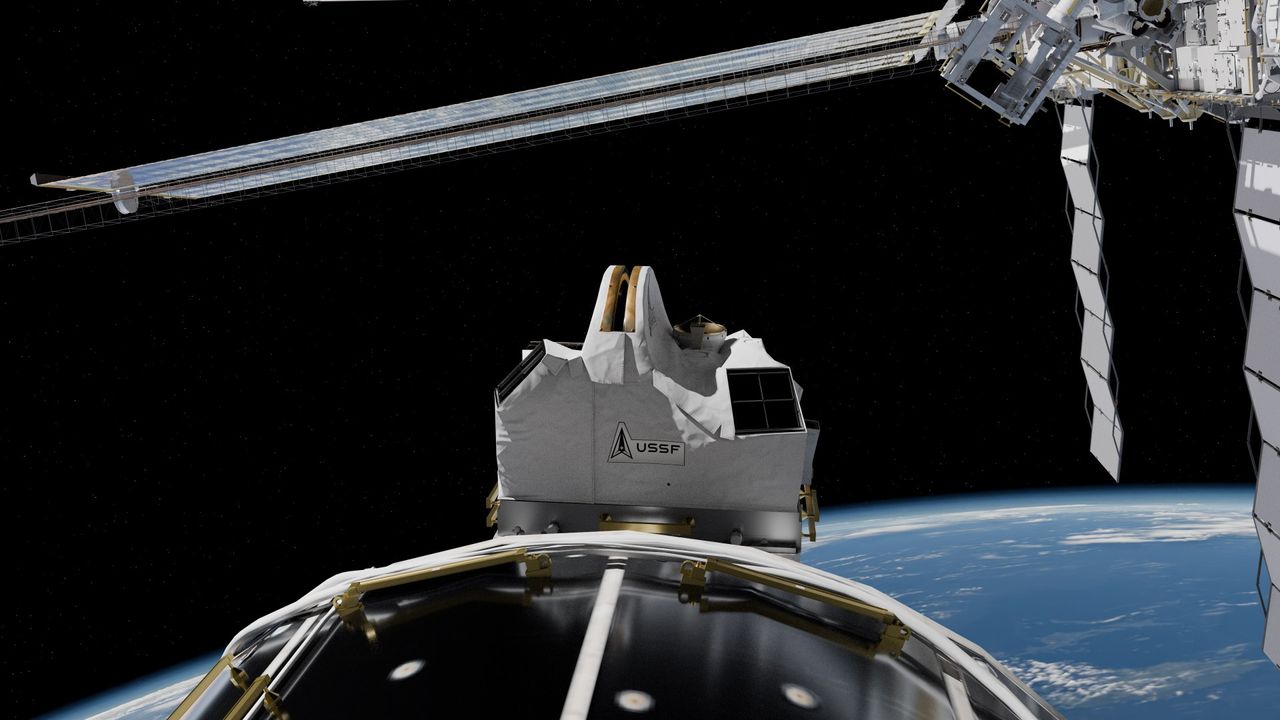
The primary goal is to launch a constellation of small satellites equipped with advanced sensors to map the ring current in unprecedented detail. These spacecraft will measure particle energy, density, and composition, as well as magnetic and electric fields. The mission will provide real-time data to improve space weather forecasting models. By pinpointing the sources and sinks of the ring current's particles, scientists hope to explain its variability and predict its impact on Earth's technological infrastructure. A secondary objective is to test new, cost-effective technologies for future multi-satellite space weather networks.
When and where will the mission launch?
The mission is scheduled for launch later this month from Cape Canaveral Space Force Station in Florida. It will ride a SpaceX Falcon 9 rocket into low-Earth orbit. The exact date depends on weather and technical readiness. Once deployed, the satellites will be placed on orbits that allow them to sample different parts of the ring current at various local times. The mission is designed to operate for at least two years, covering a full solar cycle phase to observe how the current changes with solar activity.
What instruments will the mission use?
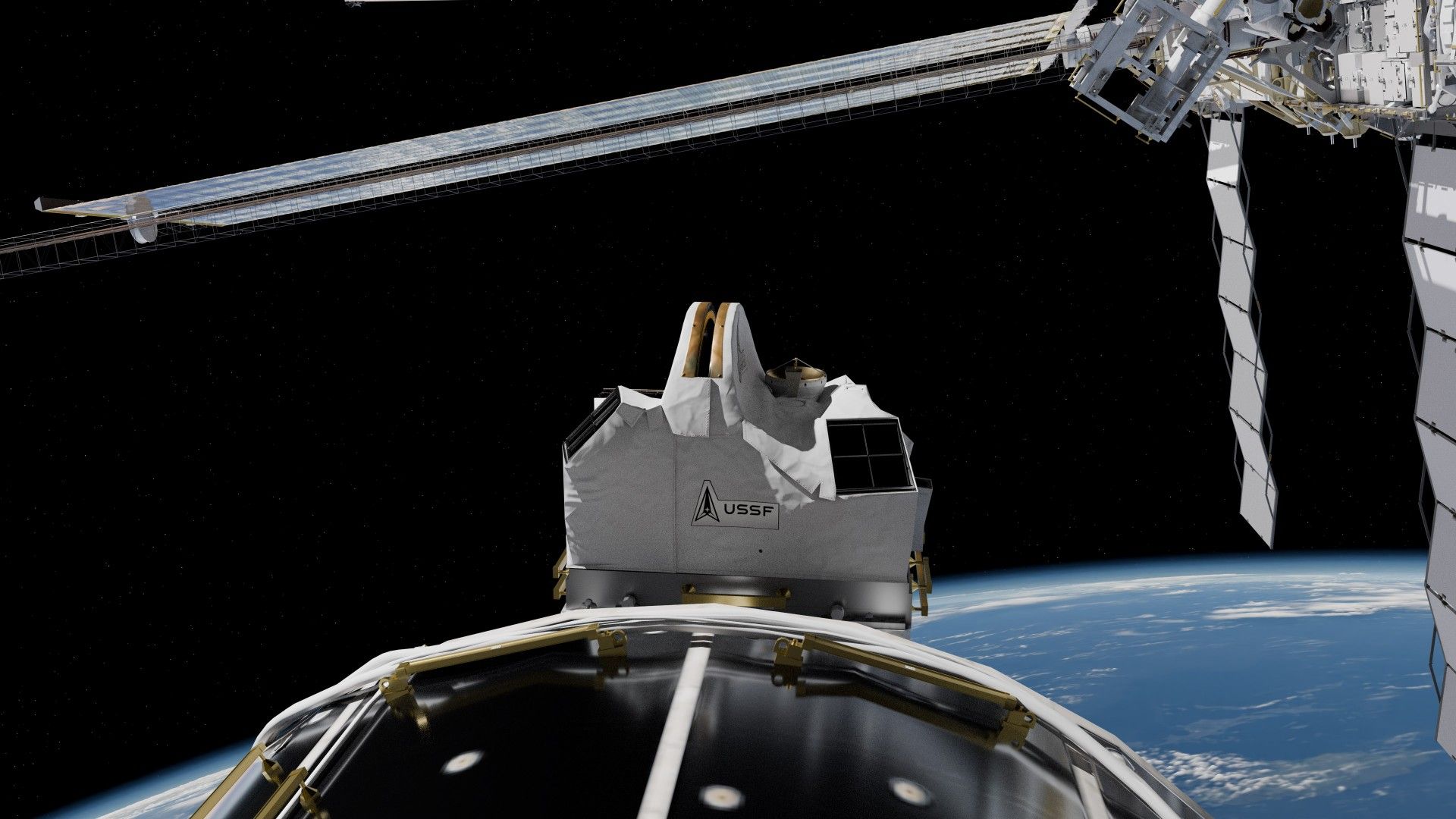
Each satellite in the constellation carries a suite of instruments: an energetic particle detector to measure protons and electrons from a few keV to hundreds of keV; a fluxgate magnetometer to track magnetic field perturbations; an electric field instrument for plasma waves; and a Langmuir probe to measure plasma density and temperature. Additionally, one spacecraft hosts a neutral atom imager to remotely sense the distribution of energetic neutral atoms that result from charge-exchange between ring current ions and geocorona. Together, these tools will create a comprehensive picture of the ring current's structure and dynamics.
How does the ring current affect space weather and technology?
During geomagnetic storms, the ring current intensifies, causing the Earth's magnetic field to weaken at low latitudes—a phenomenon measured by the Dst index. Strong ring current events can induce currents in power lines, leading to blackouts. They also enhance satellite drag in low Earth orbit and expose astronauts to higher radiation levels. The charged particles can damage spacecraft electronics and degrade solar panels. By improving our understanding of the ring current, this mission will help operators protect assets and reduce economic losses from space weather.
Why are NASA and the Space Force collaborating on this mission?
This collaboration leverages NASA's scientific expertise in magnetospheric research with the US Space Force's operational need for better space weather monitoring. The Space Force funds the launch and ground systems, while NASA provides the instruments and science team. Such partnerships are increasingly common as both civilian and military sectors recognize the importance of accurate space weather forecasts for communications, navigation, and national security. The mission also demonstrates how interagency cooperation can reduce costs and speed up deployment of next-generation space observation networks.